
AI safety Seminar
Explore our seminars, learn directly from AI safety researchers, and find the guidance and support your career or project needs to make a real impact.
Our speakers have worked or collaborated with
 Apart Research
 Google DeepMind
 OpenAI
 MIRI
 Future of Life Institute
 Center for AI Safety
 LASR Labs
 SaferAI
 Pour Demain
 BlueDot Impact
- AI Governance Club (BlueDot)
 Cambridge AI Safety Hub
 ML4Good
 Kairos
 AI Risk Explorer
 ORCG
 PauseAI
 BAISH
 AI Safety México
 AI Safety Colombia
 AI Safety Barcelona
 CEGIA
 Women4AISafety
 DLR
 Max Planck
 IIT
 Princeton
 TUM
 UPM
 UPC
 UPV
 UBA
 Universidad de los Andes
 UNAM
 Universidad Politécnica de Yucatán
 ITK Engineering
 Mercado Libre
 Sezzle
 TShaped
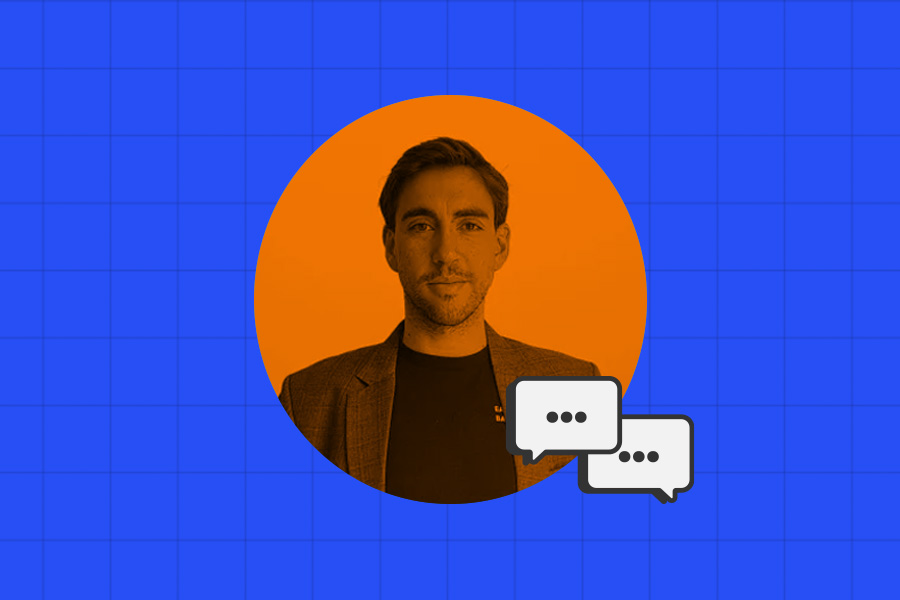
How to Build a Career in AI safety Without a PhD
Jaime Raldúa Veuthey
Jaime entered AI safety through a hackathon and now leads Apart Research. Discover how to build a real career in AI safety from scratch.
2/4/2026
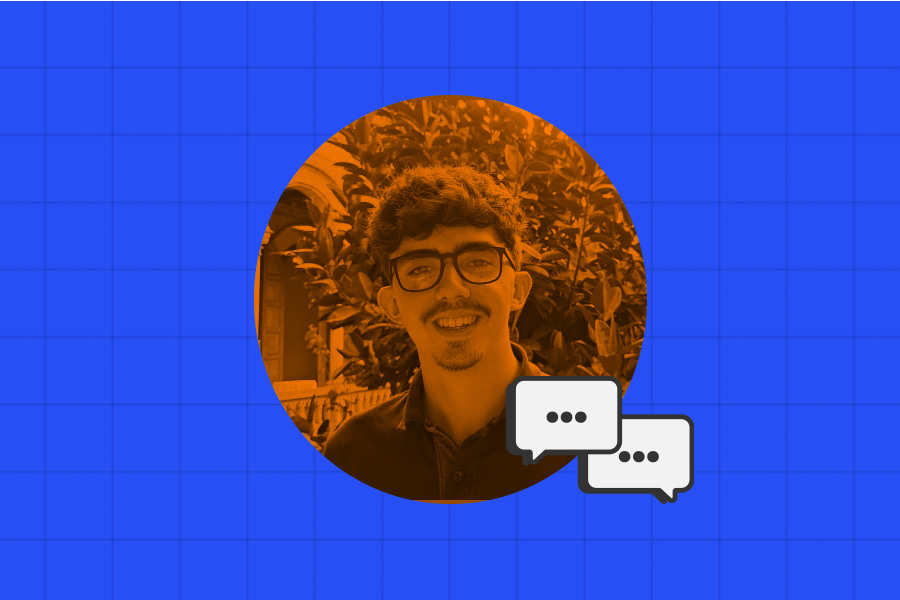
AI Monitoring: Can We Read its Thoughts?
Pablo Bernabeu Pérez
Can AI deceive us in its own reasoning? Pablo presents CoT Red-Handed, exploring the limits and solutions for monitoring AI chains of thought.
2/4/2026
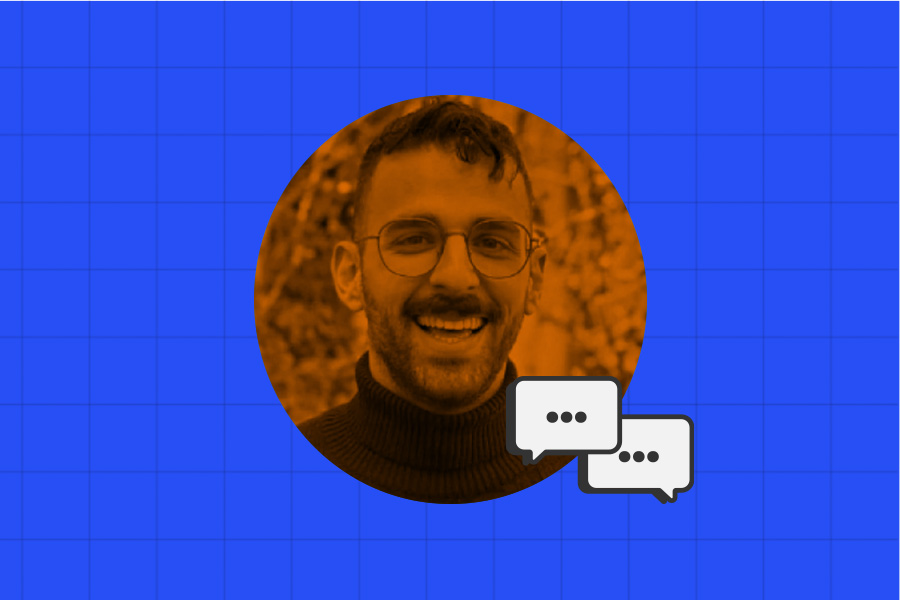
AI & Cybersecurity: Emergent Autonomous Risks
Alejandro Tlaie Boria
Alejandro Tlaie analyzes how AI agents autonomously hack systems in real environments, evaluating urgent challenges in governance, auditing, and cybersecurity.
3/4/2026
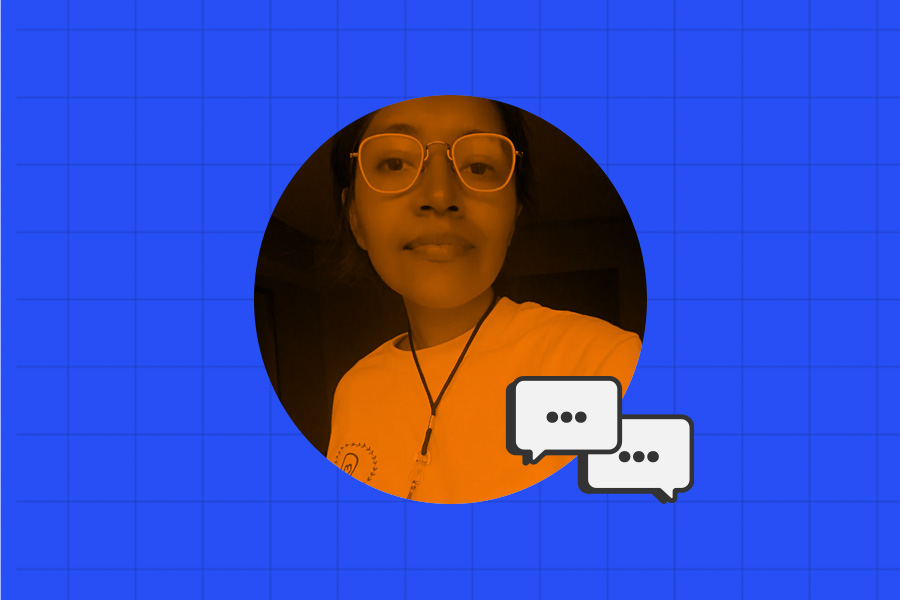
The AI Safety Ecosystem in Latin America
Janeth Valdivia
Janeth, coordinator of AI Safety Mexico, maps the regional ecosystem and reviews projects like VIGÍA to drive AI safety in Spanish.
4/8/2026
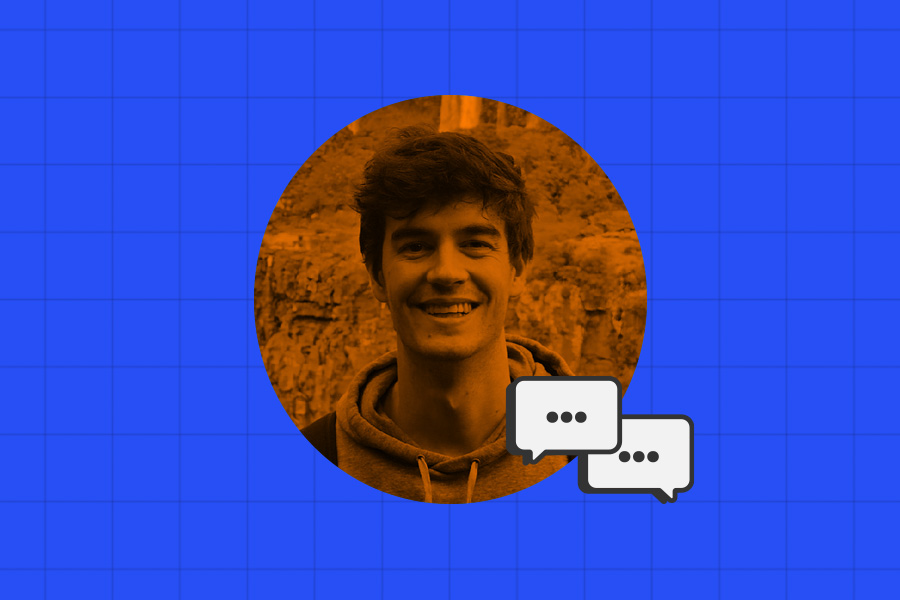
AI safety via debate: scalable oversight with weak judges
Joaquín Salvador Machulsky
Joaquín analyzes the limits of 'AI safety via debate' against models with asymmetric capabilities, showing how protocol design can enforce AI honesty.
4/8/2026
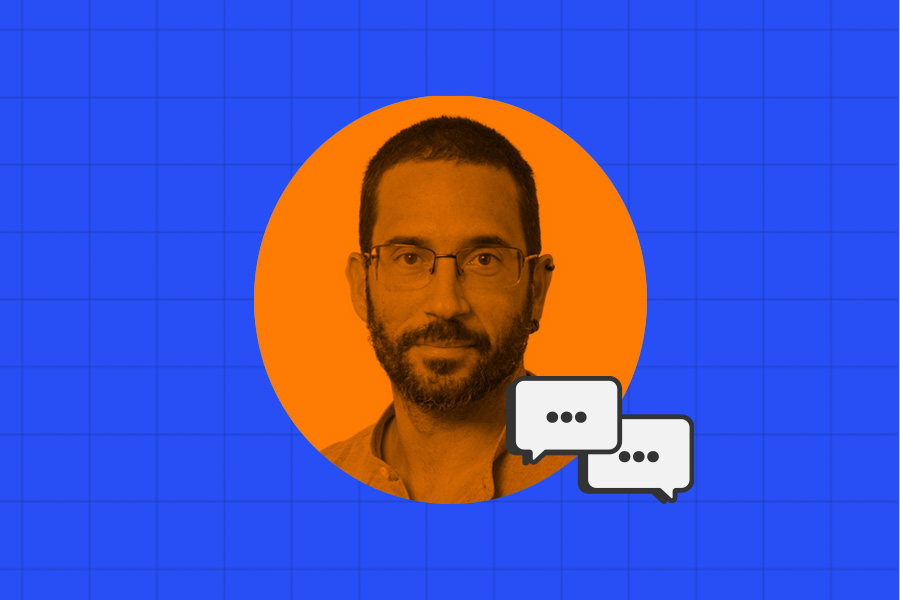
Cybersecurity & Governance: the Mythos/Glasswing Case
Dani Lupión
Dani analyzes the Mythos/Glasswing case, addressing the risks of AI capability proliferation and the political urgency raised by PauseAI.
5/6/2026
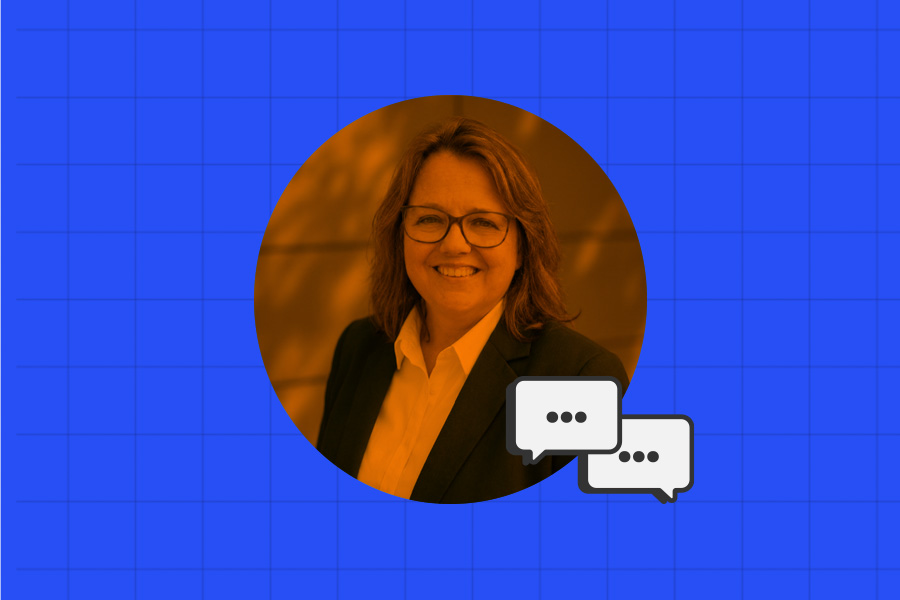
The Digital Linguistic Bias (DLB) and AI Governance
Mariana Hungría
Mariana Hungría examines Digital Linguistic Bias as a governance problem: what it means that large language models fail to adequately represent the Spanish-speaking world.
6/3/2026

A career in AI safety: a personal story from Buenos Aires
Eitan Sprejer
Eitan, AI safety researcher and co-founder of BAISH, on building a career in this field from Buenos Aires.
7/1/2026
Mythos, Fable and GPT-5.6: has the era of state control over frontier AI begun?
Dani Lupión
An industry insider's look at whether recent state restriction episodes mark the start of government control over frontier AI.
7/22/2026
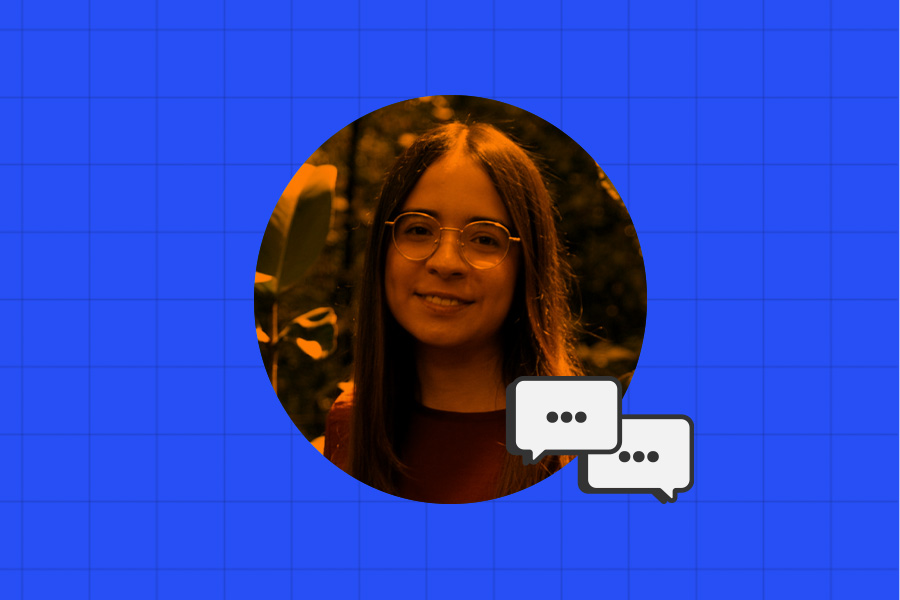
Detecting contextual biases in language models
Melissa Robles Carmona
Melissa is a mathematician with a master's degree in Systems Engineering, presenting her research on bias detection in supervised models and language models, with particular attention to contextual biases in the Spanish language.
8/5/2026
The Real Bottleneck in AI Safety (It's Not What You Think)
José Gelves
José Gelves, director of AI Safety Colombia, explains why the real bottleneck in AI safety isn't technical research, but the lack of generalist talent and institutional coordination.
9/2/2026

Monitoring AI Risks Through Public Evidence: What We Really Know
Guillem Bas
Guillem Bas, Head of Projects at the AI Risk Explorer (AIRE), explains how the systematic collection and synthesis of public evidence makes it possible to monitor AI risks rigorously.
9/23/2026
Finding and Creating Opportunities in AI Safety
Tobias Martin
Tobias Martin, communicator and researcher at MIRI, explains how to find and create opportunities in AI safety as a Spanish speaker, in a field so new that it is still full of gaps to fill.
10/7/2026
From Prediction to Action: Why Probabilistic AI Needs Deterministic Boundaries
Andrés Lage Freire
Andrés Lage Freire, an AI governance engineering specialist, explains why probabilistic models need deterministic boundaries once they move from proposing to acting, through a separation of powers inspired by Montesquieu.
10/21/2026
Don't miss the next talk
Subscribe to our Luma calendar to get every seminar session, or to our newsletter to keep up with everything iaS does.